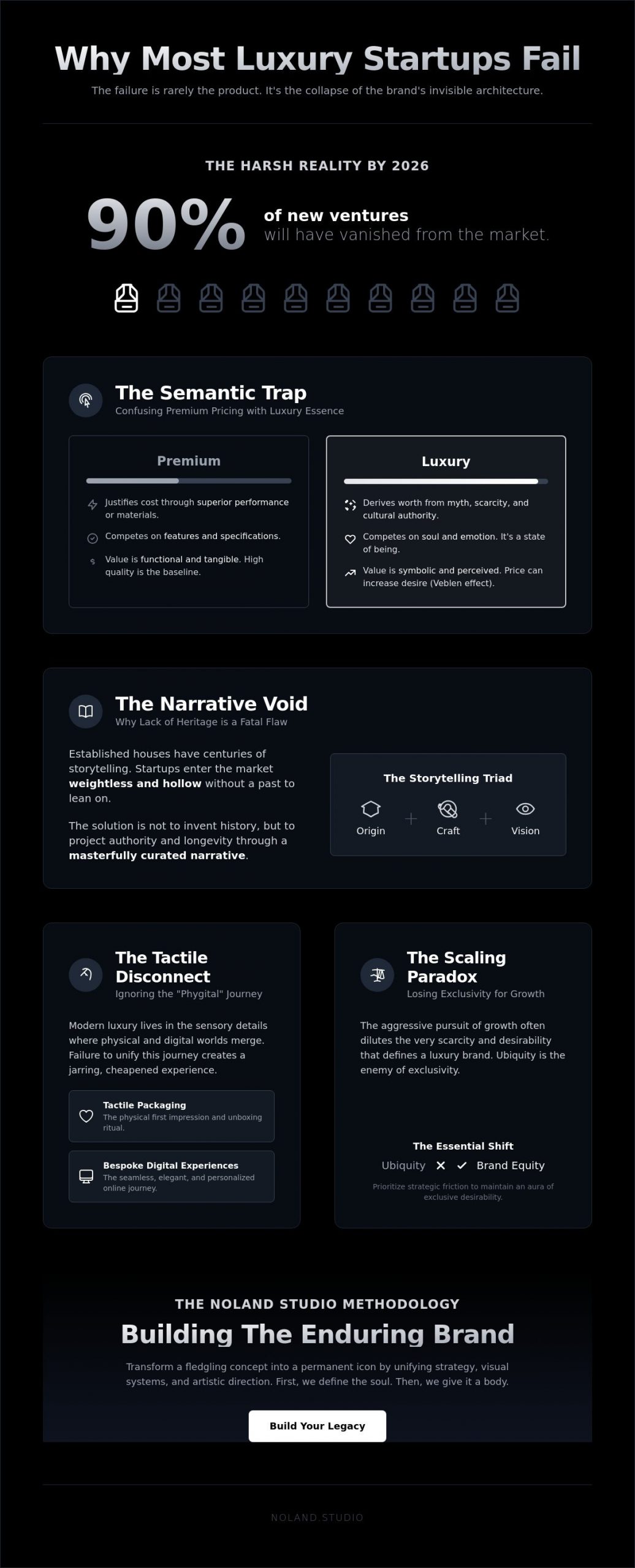
By the time 2026 concludes, nearly 90% of new ventures will have vanished from the market; yet the reason why most luxury startups fail rarely involves the quality of the product itself. It’s often a failure of the invisible architecture that supports the brand’s internal essence. You’ve likely felt the friction of a brand that feels merely expensive rather than truly luxurious, struggling to justify its price point while customer acquisition costs continue to climb. It’s a common paradox to possess a superior offering but lack the magnetic authority required to sustain a premium position.
This article promises to dismantle the strategic missteps that cause even the most visionary ventures to collapse. You’ll discover how to build a brand that resonates with enduring depth, moving beyond transactional interactions toward a state of true emotional manifestation. We will explore the critical shift from pricing to value, the sensory requirements of modern luxury, and the roadmap for creating a legacy that survives the volatile shifts of a younger, more discerning global audience. By understanding how to refine, organize, and grow your brand’s core, you can transform a fledgling concept into a permanent icon.
Conclusiones clave
- Identify the fundamental distinction between functional premium and symbolic resonance to ensure your brand commands true price authority.
- Discover how verbal identity and sophisticated naming can cultivate a sense of “instant heritage,” providing the narrative weight required for modern prestige.
- Uncover why most luxury startups fail when they ignore the sensory requirements of the “phygital” journey, from tactile packaging to bespoke digital experiences.
- Learn to navigate the scaling paradox by prioritizing brand equity over ubiquity, using strategic friction to maintain an aura of exclusive desirability.
- Explore the transition from abstract concept to physical presence through a unified approach to strategy, visual systems, and artistic direction.
The Semantic Trap: Confusing Premium Pricing with Luxury Essence
Price is a numerical value. Value is a perceived benefit. Luxury, however, is a state of being. One of the fundamental reasons why most luxury startups fail is the dangerous assumption that a high price tag automatically confers luxury status. This is the “Semantic Trap,” where founders confuse the functional excellence of a premium product with the symbolic resonance of a true luxury icon. While a premium product justifies its cost through superior materials or performance, a luxury object derives its worth from its Luxury Essence; a combination of myth, scarcity, and cultural authority.
Traditional economic models suggest that as prices rise, demand falls. Luxury operates within the defiance of this curve, often referred to as the Veblen effect. Here, high prices actually increase desirability by signaling exclusivity and social standing. Startups often succumb to the “More for More” fallacy, believing that simply adding a high margin to a quality item creates a luxury brand. Without the underlying symbolic architecture, this strategy leads to market rejection. Consumers in 2026 are increasingly discerning; they push back against price hikes that lack a profound emotional payoff. If your brand is merely “expensive,” you’re competing on features. If you’re luxury, you’re competing on soul.
The Premium Trap: High Quality is No Longer Enough
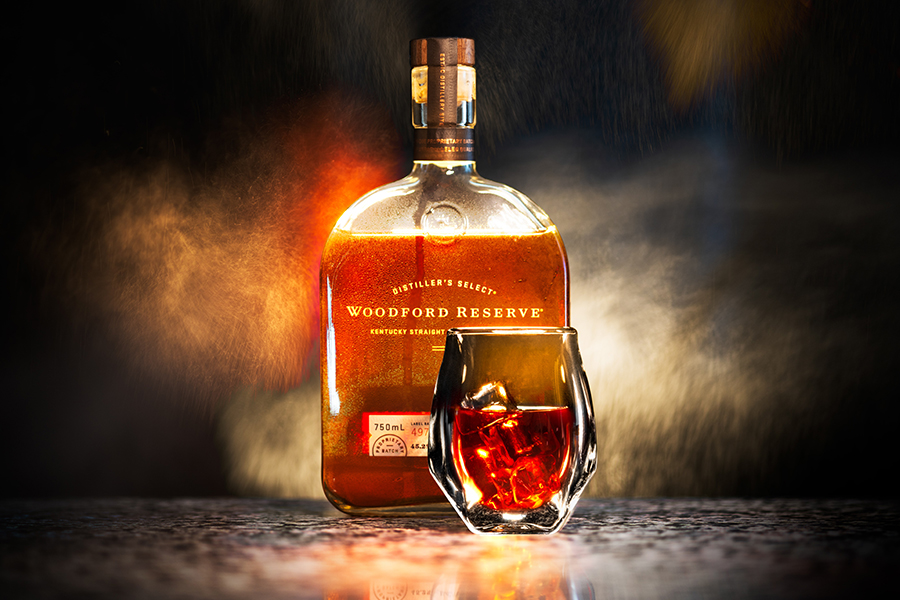
In the current market, “excellent” has become the baseline. With the rise of advanced manufacturing and global sourcing, high quality is no longer a differentiator; it’s an entry requirement. Many ventures fail because they focus on features, specifications, and technical data. They rely on generic tropes like gold foil, heavy cardstock, or minimalist serif fonts to signal prestige. These are surface-level masks that lack depth. True luxury requires an emotional alchemy that transforms a physical object into a vessel for storytelling. It’s about how the brand makes the client feel, think, and belong.
The Architecture of Desire
Before a brand can manifest physically, it must exist as a clear internal essence. This is why Estrategia y posicionamiento de marca serves as the vital foundation for survival. You must define the “soul” of the brand in a single, unshakeable sentence before designing a single logo or choosing a color palette. This process involves a disciplined sequence of discovery, organization, and refinement. By establishing a strategic base, you ensure that every subsequent touchpoint reinforces a singular, magnetic vision rather than a fragmented series of marketing attempts. This intentionality is what separates enduring legacies from fleeting trends.
The Narrative Void: Why Lack of Heritage is a Fatal Flaw
Heritage serves as the gravity of the luxury world. It provides the weight, the history, and the unshakeable authority that justifies extreme value. Established houses like Hermès or Cartier rely on centuries of storytelling to anchor their presence. In contrast, startups enter the market weightless. This absence of historical depth is a primary reason why most luxury startups fail. Without a past to lean on, many ventures appear hollow; they offer products without a soul. When a brand’s foundation is purely transactional, it lacks the cultural resonance required to transcend the status of a mere commodity.
Many founders believe that a lack of history is an insurmountable barrier. However, the failure often lies in the inability to project authority through a curated narrative. While a corporate entity focuses on market share, a luxury house acts as a curator of culture. This transition from corporation to curator requires a mastery of the storytelling triad: Origin, Craft, and Vision. If one of these pillars is weak, the entire brand architecture becomes fatally flawed. You don’t need a hundred years of history to project longevity; you need a narrative that feels like it could last for a hundred more.
Verbal Identity as Invisible Architecture
In the absence of physical artifacts from the past, language becomes your primary tool for building heritage. A sophisticated Denominación e identidad verbal acts as the invisible architecture that grounds your brand in the consumer’s mind. It moves beyond generic luxury clichés like “exclusive” or “unparalleled,” opting instead for evocative, artisanal language that suggests a deeper internal essence. By using rhythmic sentence structures and precise vocabulary, you can create a feeling of “instant heritage” that commands respect from the first interaction. Refining this verbal presence is a core component of the work we do at Estudio Noland to ensure your brand’s voice matches its ambition.
Myth-Making for the Modern Era
Luxury is built on myths, not just balance sheets. A startup must develop a founder myth that emphasizes obsession, discernment, and transformation. This isn’t about fabrication; it’s about elevating the truth of your process into an artistic narrative. You must create a brand book that functions as a “bible,” documenting the evolution of your abstract thoughts into physical forms. This document ensures that every team member acts as a guardian of the brand’s soul, maintaining a consistent persona that suggests a disciplined, expert-led craft. When you project this level of intentionality, you stop being a new company and start being an enduring institution.
The Tactile Disconnect: Underestimating the Physical and Digital Sensory Journey
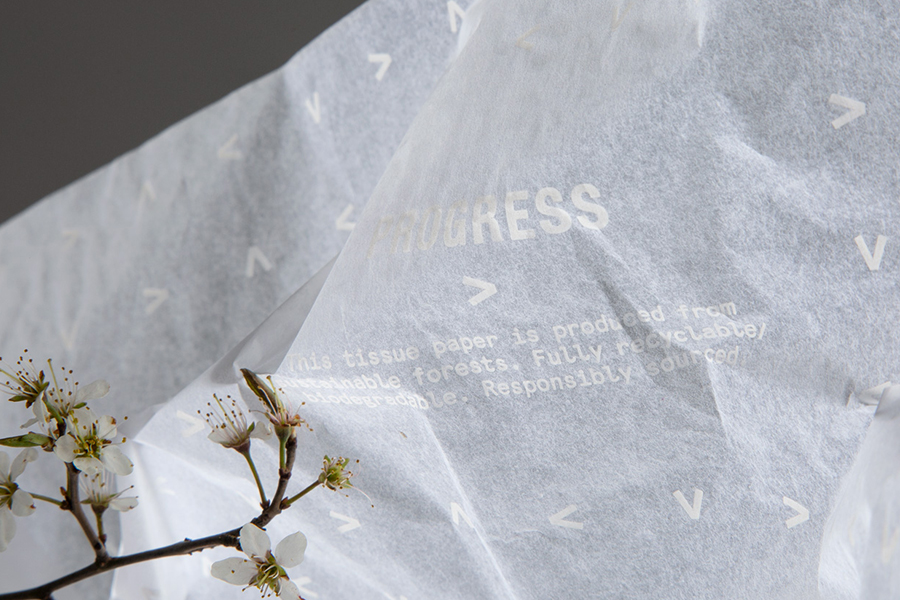
Luxury is a visceral experience. It exists in the weight of a vessel, the resistance of a hinge, and the subtle grain of a textured surface. A significant reason why most luxury startups fail is the underestimation of this sensory architecture. While a brand might possess a compelling narrative, any disconnect between the digital promise and the physical reality causes immediate brand erosion. The first thirty seconds of physical contact—the unboxing—is where a brand either solidifies its authority or reveals itself as a mere pretender. If the weight, texture, and sound of the product don’t align with the premium price point, the illusion of luxury vanishes instantly.
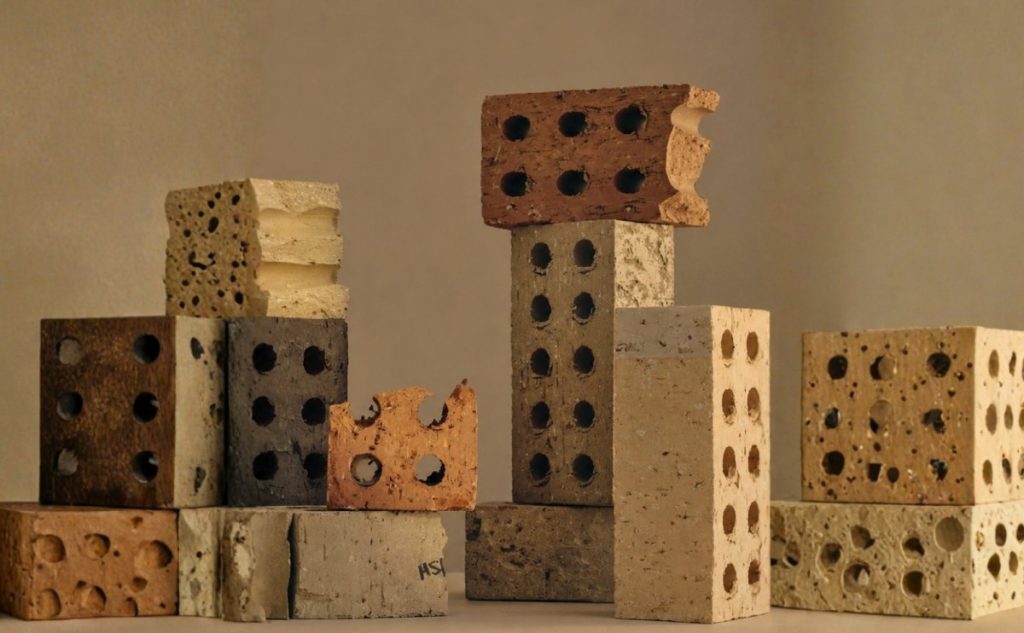
In 2026, sustainable prestige has moved beyond a trend to become a baseline expectation. However, many ventures falter by choosing eco-friendly materials that feel “recycled” rather than “refined.” Modern luxury requires an evolution of materials where sustainability and ultra-premium aesthetics coexist. This is a process of transformation, organization, and refinement. Every touchpoint must suggest a disciplined, expert-led craft that prioritizes human-centric discernment over mass-produced convenience. When a product feels lightweight or flimsy, it signals a lack of internal essence, regardless of the marketing budget behind it.
Packaging as a Tangible Reality
Packaging design is the bridge where abstract thoughts take on physical presence. It’s not merely about aesthetics; it’s about sensory impact. High-end ventures often fail because they treat packaging as an afterthought rather than a core component of the brand’s soul. Successful ventures understand that production management is as critical as the initial design concept. They invest in the engineering of the opening experience, ensuring that every layer of the journey evokes a sense of discovery, anticipation, and possession. Without this level of intentionality, the brand remains a shadow of its potential.
Digital Alchemy: Crafting the Immersive Online Universe
The digital realm often suffers from a sterile “coldness” that kills luxury perception. Generic e-commerce templates and automated customer journeys are the antithesis of the boutique experience. To thrive, a brand’s Diseño digital y desarrollo web must mirror the intimacy and sophistication of a physical flagship store. This “Artisan” approach to UI/UX involves creating intentional friction—moments of slow, beautiful interaction that feel like exclusivity rather than inefficiency. By integrating 3D visualization and motion design, we can bridge the gap between the screen and the skin, allowing the digital universe to feel as tactile and intentional as the product itself.
The Scaling Paradox: Losing Exclusivity in the Pursuit of Growth
Scale is often the silent killer of prestige. In the traditional startup world, ubiquity is the ultimate metric of success; in the luxury sector, it’s a signal of erosion. This tension creates the “Scaling Paradox.” A primary reason why most luxury startups fail is the temptation to chase volume at the expense of the brand’s internal essence. When a product becomes too accessible, it loses its symbolic resonance. It ceases to be an object of desire and becomes a commodity of convenience. True luxury requires intentional friction. Making a product difficult to acquire actually increases its perceived value, reinforcing the narrative of scarcity and discernment.
The “Ubiquity Trap” often manifests when a venture enters mass-market retail too early. This move might provide a short-term revenue spike, but it permanently damages the brand’s price authority. Instead, successful ventures employ a Pyramid Strategy: they scale influence at the summit while maintaining tight control over distribution at the base. They prioritize the building of structural bases over the pursuit of fleeting trends. This disciplined approach ensures that growth doesn’t lead to the “Discounting” death spiral, where price cuts are used to move excess inventory, ultimately hollowing out the brand’s soul.
Maintaining the Aura through Art Direction
Growth demands a rigorous consistency that many startups lack. As a brand expands across new territories and platforms, its visual presence often becomes fragmented. This is where Dirección de arte y creación de contenido must act as a guardian of the brand’s aura. A robust Visual Identity System ensures that every touchpoint, from a digital interface to a physical installation, reflects the same high-level craftsmanship. Without this central nervous system, the brand’s identity begins to blur, losing the sharp edge of exclusivity that once defined it.
Distributed Expert Networks vs. Traditional Agencies
The complexity of modern luxury requires a specialized touch that traditional, generalist agencies rarely possess. To navigate the intersection of luxury and strategic purpose, startups need “digital artisans”—experts who understand the sensory requirements of the high-end consumer. A global, multicultural network of creators offers a sensitive, localized touch that resonates with diverse markets while maintaining a unified vision. This expert-led craft is essential because why most luxury startups fail often comes down to losing that high-level vision during expansion. By moving away from traditional billing models toward fixed-fee structures, brands can align incentives around excellence rather than hours. If you’re ready to protect your brand’s longevity while navigating growth, explore our Estrategia y posicionamiento de marca services to anchor your vision.
Building the Enduring Brand: The Noland Studio Methodology
The transition from an abstract concept to a physical presence is the most precarious phase of brand building. It’s the moment where many visions lose their clarity, hollowing out into generic products. Understanding why most luxury startups fail requires looking at this gap between the idea and its manifestation. At Noland Studio, we act as the bridge, employing a disciplined methodology that prioritizes discovery, organization, and refinement. We don’t just design; we curate identities that are meant to be felt as much as they are seen, ensuring your brand’s internal essence is translated into a tangible reality that commands respect.
Our process integrates high-level craftsmanship with strategic, human-centric innovation. While 41.2% of luxury companies are now implementing GenAI into their workflows according to 2026 industry data, we view these tools not as a replacement for artistry, but as a means to enhance discernment. We use modern technology to build structural bases, employing 3D Visualization & Motion Design to give physical form to abstract thoughts long before they reach production. This approach allows us to create multidimensional experiences that evolve with the market while remaining anchored in a singular, soulful vision.
The Digital Artisan Approach
Modern luxury demands a sensitive, localized touch combined with a global vision. We utilize a network of distributed expertise, functioning as “digital artisans” who understand that every pixel and every word must suggest a disciplined, expert-led craft. This isn’t about mere automation; it’s about using the intersection of luxury and strategic purpose to build emotional resonance. By focusing on aesthetic excellence and the sensory requirements of the younger, more selective Gen Z and Millennial cohorts, we craft brands that don’t just exist in the market—they define it.
Your Next Steps Toward Longevity
Survival in the high-end sector requires a shift from transactional thinking to the building of long-term brand equity. You must evaluate your current brand through the lens of invisible architecture, identifying where the narrative ends and the product begins. To support the financial health and strategic clarity of premium ventures, we prioritize fixed-fee transparency over the incentive misalignment of traditional billing models. This ensures that our partnership remains focused on the transformative process of growth rather than quick, transactional interactions. It’s time to move beyond the fragile patterns of the past and secure your brand’s place as an enduring icon. Da forma a tu visión de lujo con Noland Studio. and begin the journey of refinement today.
Manifesting Enduring Brand Authority
Building a brand that survives the volatile shifts of 2026 requires more than a superior product; it demands a soul. We’ve explored how the confusion between premium features and luxury essence, the absence of a curated narrative, and the loss of exclusivity during growth form the invisible architecture of decline. Understanding why most luxury startups fail is the first step toward building a venture that resists these forces of erosion. By prioritizing internal essence, sensory impact, and strategic friction, you can transform a fleeting concept into a permanent icon.
Success lies in the disciplined integration of high-level vision and expert-led craft. As a multidisciplinary design collective, we act as a bridge between your abstract thoughts and their physical manifestation. Our studio utilizes expert digital artisans and AI-enhanced strategic tools to ensure your brand remains visionary, grounded, and evocative. With our transparent fixed-fee branding contracts, you can focus on the evolution, organization, and refinement of your legacy. Refine your brand strategy with our expert design collective and give your vision the structural base it deserves. Your journey toward becoming an enduring house of luxury is just beginning.
Preguntas frecuentes
What is the difference between a premium brand and a luxury brand?
Premium brands focus on superior performance and functional excellence, while luxury brands focus on symbolic resonance and social distinction. A premium product is an upgrade of a commodity; a luxury object is a vessel for a myth. This distinction is vital because luxury consumers aren’t buying better features. They’re investing in an identity, a narrative, and a sense of belonging that transcends the purely physical.
How can a new startup create ‘heritage’ if they have no history?
Startups can cultivate “instant heritage” by mastering the storytelling triad of origin, craft, and vision. While you may lack a century of archives, you can project authority through sophisticated naming and verbal identity. By treating your founding story as an artisanal myth rather than a business plan, you give the brand the weight and intentionality required to command respect from day one.
Why is packaging so critical for luxury startup success?
Packaging serves as the physical manifestation of your brand’s soul and the first moment of tactile contact. If the weight, sound, and texture of your packaging don’t mirror your price point, the consumer feels a sensory disconnect. High-end ventures often falter when they treat packaging as an afterthought. It’s actually a core strategic asset that solidifies the perception of value and craftsmanship.
Can a luxury brand scale without losing its exclusivity?
Scaling influence while restricting volume is the only way to grow without eroding exclusivity. This is achieved through the Pyramid Strategy, where you maintain tight control over distribution and avoid the ubiquity trap. By making the product intentionally difficult to acquire, you increase its desirability. Growth should come from deepening brand equity and expanding your cultural footprint, not from mass-market saturation.
What are the most common branding mistakes luxury startups make?
The most frequent error is falling into the “Semantic Trap,” where founders assume a high price tag creates a luxury brand. Other mistakes include using generic digital templates that feel cold or diluting the brand’s essence to chase quick revenue. These missteps reveal a lack of internal essence, making the brand feel like an expensive imitation rather than a true curator of excellence.
How does digital experience affect the perception of a luxury brand?
A generic or sterile digital journey creates a “digital coldness” that immediately lowers the perceived value of a brand. Your online presence must mirror the boutique experience through artisan UI/UX and immersive 3D visualization. When the digital universe feels as intentional and sophisticated as the physical product, it bridges the sensory gap and reinforces the brand’s position as a high-end authority.
Why do luxury startups fail even with significant venture capital funding?
Significant funding often leads to the “Ubiquity Trap” because traditional venture capital demands rapid, mass-market growth. This pressure to scale volume over influence is why most luxury startups fail even with deep pockets. When a brand prioritizes quick returns over long-term brand equity, it erodes its exclusivity and loses the magnetic authority that justified its premium positioning in the first place.
Is it possible to be a sustainable brand and a luxury brand simultaneously?
Sustainability and luxury are highly compatible as long as the eco-friendly materials maintain an ultra-premium sensory impact. In 2026, luxury consumers expect transparency and ethical craft as a baseline. However, the brand must ensure that sustainable materials feel refined and substantial. If the product feels lightweight or flimsy, it fails to manifest the aesthetic excellence required for a high-end position.