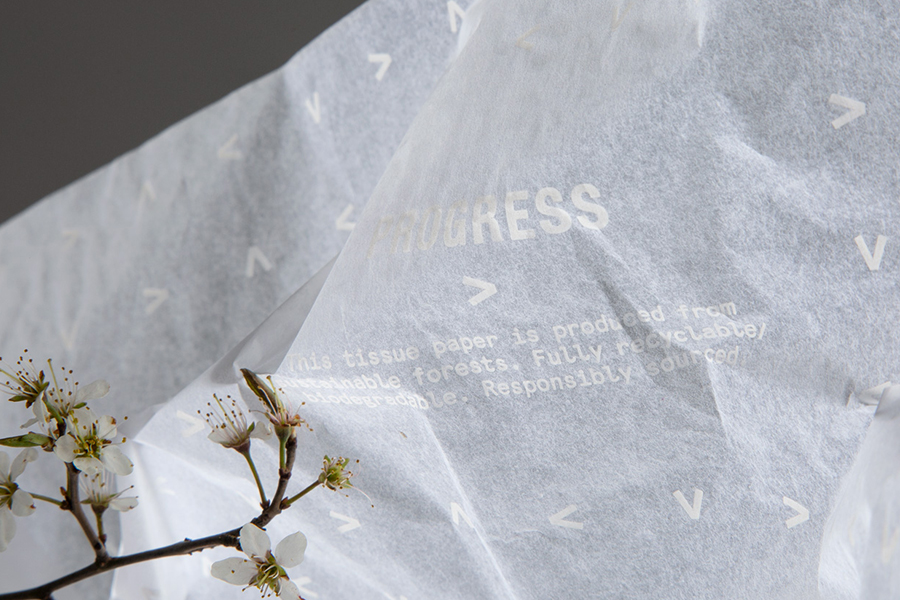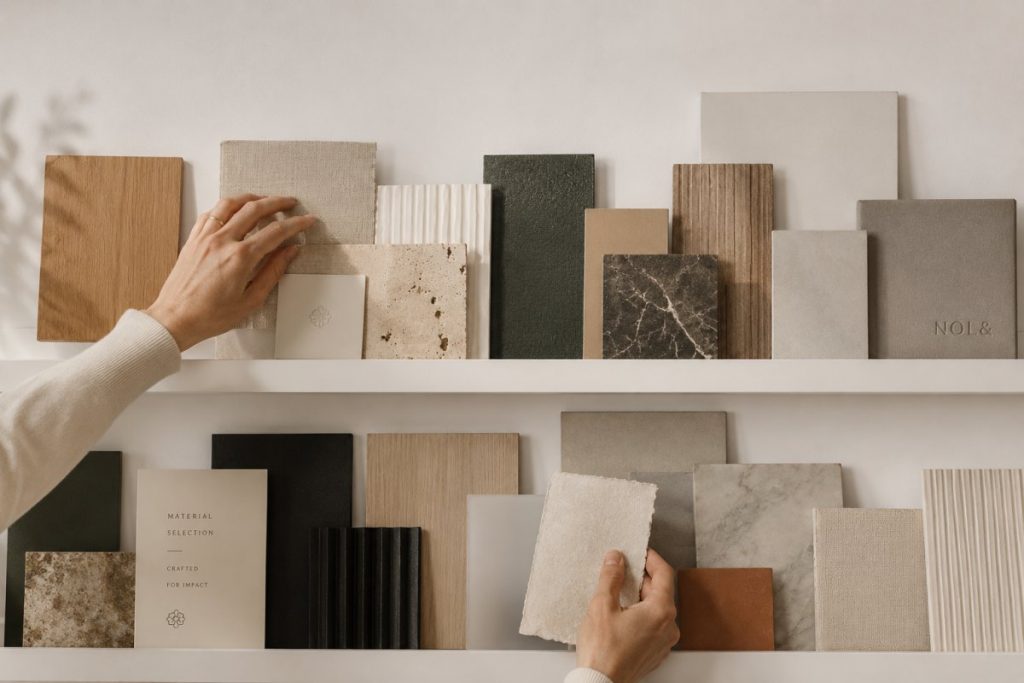
What if the most profound communication your brand ever makes happens in the silent micro-second between a hand touching a box and the mind forming an opinion? In 2026, a digital identity can be flawless, yet the physical manifestation often falters when customers encounter the uninspiring feel of standard recycled materials. Strategic material selection for premium packaging is the bridge between an abstract vision and a physical truth. It’s the vital process of ensuring that your brand’s internal essence is not just seen, but deeply felt.
It’s frustrating when technical failures or inconsistent textures undermine a sophisticated brand strategy. You deserve a process that honors your craftsmanship while meeting the rigorous sustainability standards of the current environment. This guide will help you transform abstract concepts into tangible realities through strategic discernment and sensory artisanship. We’ll examine a framework for selecting, refining, and manifesting substrates that evoke emotion, align your physical touchpoints, and provide the expert-level insight needed to master today’s most innovative materials.
Key Takeaways
- Understand how packaging serves as the first physical handshake between your brand and the consumer, transforming abstract values into a tangible experience.
- Explore the sensory hierarchy of weight and texture to leverage the psychology of haptics, ensuring every touchpoint communicates prestige and builds trust.
- Resolve the sustainability paradox by mastering material selection for premium packaging that elevates recycled substrates into a new expression of luxury.
- Bridge the gap between 3D visualization and physical production through expert discernment, ensuring your complex structural designs are realized without failure.
- Learn to use packaging as a medium for storytelling, giving physical form to your brand’s internal essence for long-term emotional resonance.
The Tactile Manifesto: Why Material Selection Defines Premium Brand Strategy
Packaging is the first physical handshake between a brand and a discerning consumer. It’s the precise moment an abstract promise becomes a felt reality. Within the current luxury climate, we are saturated with pixels and fleeting digital impressions. This digital fatigue has sparked a vital shift toward tactile-first branding. When a customer holds a product, the weight of the box, the grain of the paper, and the resistance of the seal tell a story that eyes alone cannot perceive. Material selection for premium packaging isn’t a procurement detail; it’s a strategic pillar that demands a roadmap from the very first day of design.
A strategy-first approach treats materials as a manifestation of a brand’s internal essence. If the strategy calls for heritage, the substrate must feel timeless. If the goal is innovation, the texture should feel unexpected. This coordinated system of preparing goods must do more than protect. It must act as a physical validator of brand truth, ensuring that the promise made on a screen is kept in the hand. By prioritizing material discernment early, creators prevent the common disconnect between a high-end digital identity and a physical touchpoint that feels generic or uninspired.
Beyond Aesthetics: The Physicality of Brand Essence
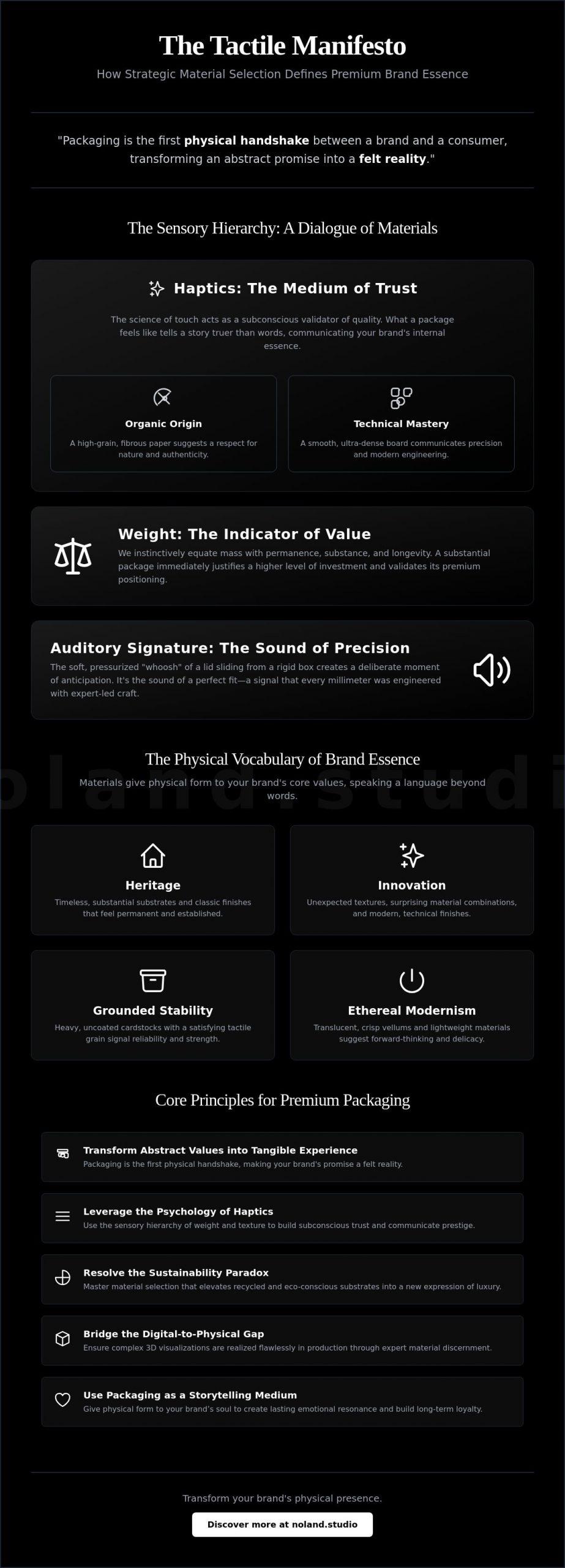
Defining the soul of a brand requires more than a color palette. It requires a physical vocabulary. Materials communicate heritage, innovation, or exclusivity without a single word being spoken. To achieve this, we must integrate brand strategy & positioning into every stage of the unboxing journey. This integration ensures that the material selection for premium packaging reflects the brand’s core values. A heavy, uncoated cardstock might signal grounded stability, while a translucent, crisp vellum suggests ethereal modernism. Each choice is an act of curation that transforms a functional container into a vessel of emotion and aesthetic excellence.
The Multidimensional Experience: Evolution of the Touchpoint
Premium packaging acts as a living visual universe that evolves alongside the customer. It’s about creating enduring brand impact rather than following fleeting trends. When materials are chosen with intentionality, they build a structural base for long-term loyalty. Consider the evolution of a digital-native fragrance house that recently moved into physical retail. By transitioning from standard gloss boxes to a custom-milled, tactile paper with a stone-like finish, the brand saw an immediate shift in consumer perception. The physical weight and unique texture didn’t just house the bottle; they anchored the brand’s identity in the physical world, proving that artisan craft is the ultimate bridge between thought and presence.
The Sensory Hierarchy: Discernment in Textures, Weights, and Finishes
True luxury is a multi-sensory dialogue that begins long before a product is revealed. It starts with haptics, the science of touch, which acts as a subconscious validator of quality and intent. When executing material selection for premium packaging, we must consider the “trust factor” embedded in specific textures. A high-grain, fibrous paper suggests an organic origin and a respect for nature. Conversely, a smooth, ultra-dense board communicates precision and technical mastery. This isn’t just about what looks good. It’s about what feels true to the brand’s internal essence.
Weight remains a primary indicator of value in the mind of a discerning consumer. We instinctively equate mass with permanence, substance, and longevity. A box that feels substantial in the hand immediately justifies a higher level of investment. Beyond the weight, there is the auditory signature of the packaging. The soft, pressurized “whoosh” of a lid sliding slowly off a rigid box creates a deliberate moment of anticipation. It is the sound of a perfect fit, a signal that every millimeter was engineered with expert-led craft.
The Psychology of Haptics: Touch as a Medium of Trust
The psychology of haptics requires a deep alignment with a product’s naming & verbal identity. If a brand’s voice is one of whispered luxury, the texture must follow suit. Soft-touch coatings offer a velvet-like intimacy, while micro-embossing invites the fingertips to explore a hidden landscape of detail. Even when adhering to sustainable packaging principles, we find that uncoated, “honest” papers provide an emotional weight that glossy finishes often lack. These materials speak of authenticity, transparency, and a commitment to enduring impact.
Finishing as Art Direction: Discernment in the Details
Finishing is where strategic discernment meets high-level art direction. We utilize principles of art direction & content creation to guide the consumer’s eye and hand across the physical surface. Foiling, spot UV, and flocking should be used to highlight specific elements, not to overwhelm the senses. There is a profound power in restraint. Blind embossing, where the brand mark is pressed into the material without ink, represents the pinnacle of this approach. The brand is felt before it is seen. It creates a discovery phase for the consumer, turning the act of unboxing into a quiet, personal ritual. If you are looking to define these physical touchpoints, our work in visual identity systems provides the structural base needed for such sensory excellence.
The Sustainability Paradox: Reconciling Eco-Consciousness with High-End Aesthetics
The definition of prestige is undergoing a fundamental transformation. For decades, luxury was synonymous with excess, weight, and a disregard for the ephemeral. Today, it is defined by discernment, care, and a profound respect for origin. In 2026, material selection for premium packaging must navigate a complex landscape of regulatory requirements and evolving consumer values. With the EU Packaging and Packaging Waste Regulation (PPWR) taking effect on August 12, 2026, sustainability is no longer a peripheral concern. It’s a strategic necessity. This sustainable luxury packaging report highlights that the tension between creativity and environmental impact is exactly where the most visionary design occurs.
Many brands hesitate to embrace eco-conscious substrates, fearing the “recycled look” feels budget or unrefined. This perception is a failure of execution, not a limitation of the material. Through expert-led craft, a visibly recycled substrate can be elevated into a symbol of raw authenticity. Transparency and ethically sourced materials have become the new markers of prestige. It’s about moving away from disposable vanity toward a circular design philosophy where every fiber is accounted for, ensuring the brand’s physical presence is as responsible as it is beautiful.
Sourcing the Future: Bio-Materials and Circular Craftsmanship
Visionary designers are expanding their palette to include mycelium, seaweed, and agricultural waste. These bio-materials offer unique textures that communicate a brand’s forward-thinking essence. However, maintaining structural integrity remains a technical challenge. As the ban on intentionally added PFAS in plant-fiber packaging takes effect on May 25, 2026, in regions like Maine, discernment in sourcing becomes critical. We must select, test, and refine these innovative substrates to ensure they provide the same protection and prestige as their traditional counterparts.
The Luxury of Longevity: Reusable Packaging Systems
True sustainability often lies in the transition from “disposable luxury” to “collectible vessels.” We are designing packaging that consumers refuse to throw away, effectively extending the brand’s life within the home. This shift requires a focus on durability and second-life utility. By using advanced 3D visualization, we can prototype how a rigid box might become a permanent storage piece or a decorative object. This approach transforms a functional container into an enduring touchpoint, building a structural base for long-term emotional resonance and brand loyalty.
Engineering Elegance: From Conceptualization to Production Management
The transition from a visionary 3D render to a physical object is the most precarious stage of the creative process. It is where the abstract world of ideas meets the uncompromising laws of physics. Precise material selection for premium packaging requires an expert hand to ensure that the structural base supports the aesthetic ambition. Without this technical discernment, even the most soulful brand vision can collapse during the rigors of manufacturing. Effective packaging production management acts as the vital bridge, translating digital excellence into a tactile reality that survives the journey from the factory floor to the customer’s doorstep. This level of care extends to the maintenance of the production environment itself; for businesses that prioritize a flawless workspace, Titan Pest Control provides the professional management necessary to ensure commercial facilities remain pristine.
Luxury demands a level of consistency that leaves no room for error. When managing global manufacturing partners, the challenge is to maintain the same sensory impact across different borders and substrates. This is why physical prototyping remains indispensable in the high-end sector. A prototype isn’t just a sample; it’s a physical validator of strategy. It allows us to test the sound of the opening, the friction of the lid, and the light’s interplay on the finish. In an environment where input costs for containerboard have risen significantly in 2026, including a $70 per ton increase from major producers, production management must be more disciplined than ever to protect the brand’s integrity without compromising on quality.
Technical Discernment: Navigating Substrates and Structural Integrity
Choosing the right material selection for premium packaging involves deep technical expertise. We must analyze the caliper and grain direction of a board to ensure complex geometric folds remain crisp and resilient. We now utilize AI-enhanced tools to predict material stress points before the first blade touches the paper. This allows us to balance the triad of production: Feasibility, Aesthetic, and Cost-Effectiveness. By identifying potential failures in the digital phase, we preserve the artisanal quality of the final manifestation while ensuring the structure is robust enough for global distribution.
The Distributed Artisan Network: Scaling Craftsmanship
Scaling high-level craftsmanship requires a departure from traditional, localized agency models. We lean on a distributed network of expert digital artisans who possess a localized touch but operate with a global vision. This model allows us to coordinate high-end production across multiple touchpoints, ensuring that the “soul” of the brand remains intact during the transition to mass production. It’s a process of growth, organization, and refinement that keeps the expert hand at the center of the narrative. If you are ready to manifest your vision through expert-led craft, explore our approach to premium packaging design.
Cultivating Soulful Brands through Multidimensional Packaging Design
Packaging is far more than a protective layer. It’s a curated medium for storytelling, a physical vessel that carries the emotional resonance of a brand’s internal essence into the hands of the consumer. At Noland Studio, our philosophy is rooted in giving form to essence. We believe that the intersection of craftsmanship, strategic vision, and aesthetic excellence is where a brand truly begins to live. Material selection for premium packaging serves as the final, most critical act of this manifestation. It’s the moment where the abstract becomes tangible, and the promise becomes a physical truth.
In the high-end sector, the unboxing experience is a ritual of discovery. Every choice we make, from the density of the board to the friction of the lid, is an intentional step toward building a structural base for loyalty. This multidimensional approach ensures that your brand isn’t just seen in a crowded digital marketplace but is felt as a weight of authority in the physical world. It’s about moving beyond the superficial to create touchpoints that possess both a high-level vision and a sensitive, localized touch.
The Noland Studio Approach: Expert Hands, Global Vision
Our process is one of deliberate refinement. We organize chaotic ideas, grow them into cohesive strategies, and manifest them through expert-led craft. This journey doesn’t end at the edge of a screen. By integrating digital design & web development with physical packaging, we create a seamless brand journey. The transition from a digital touchpoint to a physical unboxing should feel like a single, fluid movement. For visionary brand leaders, this is an invitation to move beyond the transactional and toward the transformative. We act as a bridge between the abstract world of ideas and the physical world of products, ensuring your identity is curated for enduring impact.
Final Discernment: Your Material Selection Checklist
As we approach the regulatory and cultural shifts of late 2026, including the implementation of the EU’s PPWR on August 12 and various EPR reporting deadlines in the United States, the stakes for material selection for premium packaging have never been higher. Discernment is your most valuable tool. Before finalizing any substrate, we recommend a triad of essential questions to guide your process:
- Does it feel right? Does the texture, weight, and finish align perfectly with the brand’s internal essence and sensory hierarchy?
- Does it last? Is the material engineered for structural integrity and does it offer the potential for second-life utility?
- Does it matter? Does the choice reflect a genuine commitment to sustainability and ethical sourcing that resonates with the modern, discerning consumer?
Preparing for the luxury landscape of 2026 requires more than following trends. It requires a disciplined approach to storytelling and a passion for sensory impact. The brands that will thrive are those that view their packaging as a living visual universe, anchored by expert hands and a visionary strategy. If you’re ready to give physical form to your abstract thoughts and cultivate a truly soulful presence, it’s time to transform your brand with Noland Studio.
Manifesting the Extraordinary: The Future of Physical Presence
The transition from an abstract concept to a physical touchpoint is a process of growth, organization, and refinement. We have explored how the sensory hierarchy, the sustainability paradox, and technical engineering are reshaping the luxury landscape. In 2026, material selection for premium packaging is not a functional afterthought but the ultimate expression of a brand’s internal essence. It is the moment where strategy takes on a physical form that can be felt, heard, and remembered.
Noland Studio operates as a multidisciplinary collective of global artisans dedicated to this high-level manifestation. Our expertise in luxury strategy and premium production allows us to navigate complex structural challenges while maintaining a visionary approach to sustainable craftsmanship. We invite you to move beyond the generic and toward the extraordinary. Your brand’s physical presence should be as profound as its vision.
Begin your brand transformation with Noland Studio.
The physical world is waiting for your brand to arrive. Let’s ensure it makes an enduring impact.
Frequently Asked Questions
How do I choose the right weight for luxury paperboard packaging?
Selecting the ideal weight depends on the structural intent and the caliper of the board. For a rigid box experience, we typically utilize a high-density core between 1200 and 1500gsm. It’s about the precise ratio between thickness and the flexibility required for a crisp, clean fold. This choice creates the substantial feel that consumers equate with permanence and value, ensuring the packaging feels like a deliberate manifestation of your brand’s authority.
Can sustainable materials really achieve a high-end, premium finish?
Sustainable materials achieve an exquisite finish when they’re guided by expert hands. By utilizing techniques like blind embossing or high-pressure foil stamping on unbleached, high-grain papers, we elevate raw textures into symbols of “New Luxury.” It’s a process of refinement that transforms eco-conscious choices into a sophisticated sensory experience. Expert-led craft ensures that the recycled look is replaced by a narrative of authenticity, care, and aesthetic excellence.
What are the most common mistakes in material selection for luxury goods?
The most frequent error is a disconnect between the digital identity and the physical touchpoint. Another common mistake is ignoring grain direction, which often leads to unsightly cracking during the production process. Many brands also fail to consider the auditory signature of the unboxing ritual. Material selection for premium packaging must be a holistic process that accounts for sight, touch, and sound to avoid a generic or uninspiring encounter.
How does material choice impact the cost of premium packaging production?
Substrate choice is a primary driver of production costs and manufacturing complexity. Higher-grade materials often require specialized tooling or slower press speeds to maintain a flawless finish. In June 2026, major North American producers announced containerboard price increases ranging from $50 to $70 per ton. These rising input costs mean that strategic discernment is essential to protect your brand’s integrity while maintaining the structural base required for global distribution.
What is the difference between FSC-certified and recycled paper in luxury design?
FSC-certified paper is sourced from responsibly managed forests and typically offers the long fibers needed for high strength and a smooth finish. Recycled paper uses post-consumer waste, which provides a more textured, honest feel that signals transparency. While FSC paper is often preferred for complex geometric folds, recycled substrates are becoming the new marker of prestige. The choice depends on whether your brand strategy prioritizes technical precision or organic authenticity.
How can I ensure my packaging materials align with my digital brand identity?
Alignment begins by identifying your brand’s internal essence and translating it into physical attributes. If your digital presence is minimalist and precise, select an ultra-smooth, high-white board that mirrors that clarity. If your brand story is rooted in heritage, choose a material with a natural, tactile grain. This ensures a seamless journey for the consumer, where the physical object feels like a logical and evocative extension of the digital experience they’ve already encountered.
What role does haptics play in consumer trust for premium brands?
Haptics act as a subconscious validator of quality and build an immediate bridge of trust. When a consumer feels a refined texture or a substantial weight, it reinforces the perception of craftsmanship and longevity. This physical contact is a silent dialogue that communicates more than words ever could. It’s the trust factor that distinguishes a soulful brand from a transactional one, ensuring the identity is felt as much as it is seen.
Are there bio-based materials that can replace plastic in luxury cosmetics?
Bio-based materials like mycelium, seaweed resins, and agricultural waste composites are now viable alternatives for luxury cosmetics. These substrates offer unexpected textures that communicate innovation and care. As of May 25, 2026, the ban on intentionally added PFAS in plant-fiber packaging in regions like Maine has accelerated the need for these bio-materials. They provide a structural base that meets modern regulatory requirements while maintaining the exclusivity expected in the premium sector.