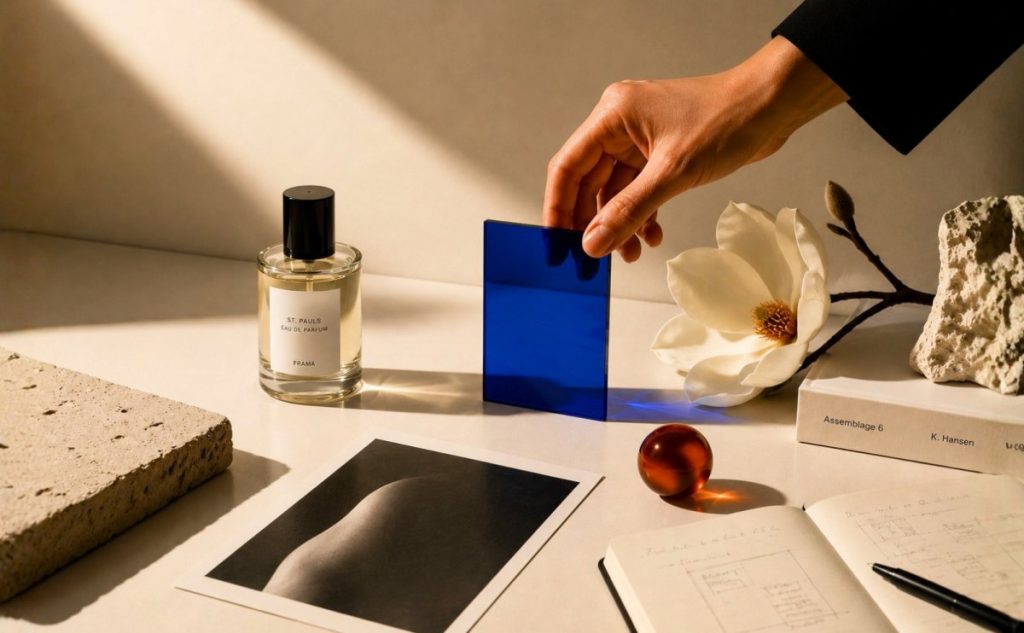
In 2026, the most valuable asset a premium brand possesses isn’t its logo or its color palette; it’s the intangible soul that breathes through every pixel and physical texture. You likely feel the pressure to innovate as generative tools become the industry standard, yet you fear losing that authentic human touch that high-end audiences demand. Modern creative art direction has evolved far beyond mere visual supervision. It’s now a sophisticated form of alchemy where human judgment guides tools like Midjourney v7 and Adobe Photoshop 2026 to ensure that every touchpoint feels intentional rather than automated. This strategic shift is why the top 10 percent of creative directors now earn over $169,770 annually for their ability to curate meaning rather than just assets.
We agree that a brand feeling “dated” is often a symptom of fragmented aesthetics rather than a lack of technology. You’ll discover how to transcend simple visuals to build living visual universes that adapt and evolve across global markets. This guide provides the strategic clarity needed to balance AI-enhanced craftsmanship with the expert-led intuition that drives emotional resonance and long-term ROI. We will explore how to give shape to your most ambitious ideas through a disciplined, multicultural lens.
Key Takeaways
- Understand how art direction serves as the strategic bridge that transforms abstract brand values into tangible, sensory experiences.
- Discover why aesthetic excellence is a vital commercial driver that justifies premium pricing and builds enduring brand equity.
- Learn to balance human judgment with machine intelligence to ensure your creative art direction remains soulful and intentional in an automated world.
- Explore the framework for creating living visual universes that adapt, breathe, and evolve across every digital and physical touchpoint.
- Gain insights into how a global, multicultural perspective gives shape to ideas and creates deep emotional resonance with high-end audiences.
What is Creative Art Direction in the Modern Luxury Context?
In the high-stakes world of premium branding, creative art direction has transcended the boundaries of traditional graphic design. It’s no longer enough to simply organize visual elements on a page or a screen. Today, it serves as the strategic bridge between abstract brand values and tangible sensory experiences. This process is a form of intentional shaping, where foundations are laid to allow a brand’s story to unfold with clarity and grace. By May 2026, the industry has recognized that aesthetics aren’t just a surface layer; they’re the physical manifestation of a brand’s soul.
The shift from static brand books to living visual universes is now complete. A modern brand doesn’t just sit still; it breathes, adapts, and evolves across diverse touchpoints. This evolution is necessary because the global audience in 2026 demands a “language of now” that doesn’t sacrifice timelessness. Whether it’s through premium packaging design or 3D visualization, the art director acts as a curator of emotion. They ensure that every choice, from the weight of a typeface to the grain of a digital texture, carries the weight of expert-led innovation rather than mere automation.
The Evolution of Visual Stewardship
Visual stewardship has moved beyond the rigid confines of the brand book. In a landscape where the Golden Globes now require “human creative direction and artistic judgment” for AI-inclusive works, the role of the human artisan has never been more critical. We’re seeing a move toward fluid digital identities that maintain a consistent “feeling” across physical and virtual spaces. Soul is the ultimate differentiator in a market currently flooded with generic, synthetic content. Modern art direction is the alchemy of intelligence and artistic judgment. It requires a sensitive, local touch combined with a high-level vision to organize, categorize, and clarify the brand’s message. To understand the foundational roots of this role, one can look at What is an Art Director? to see how the position has historically anchored the visual narrative of advertising.
Art Direction vs. Creative Direction
Clarifying the hierarchy between these roles is essential for strategic clarity. Creative direction is the visionary strategy that sets the overarching narrative and purpose. It’s the “why” behind the brand’s existence. In contrast, creative art direction is the aesthetic execution that brings that vision into the physical world. It’s the “how” of the sensory experience. In a multidisciplinary collective, these roles merge to create a seamless flow from the philosophical to the strategic. This unified narrative ensures that the brand’s identity is felt as much as it is seen. When these disciplines work in harmony, they create a cohesive visual system that avoids the fragmented feel of uninspired, mass-market alternatives. This synergy is what allows a brand to speak with authority and depth on a global stage.
The Core Pillars of Visionary Art Direction
Visionary art direction is the architecture of desire. It doesn’t merely decorate; it builds the foundations upon which a brand’s legacy rests. Every visual choice must reinforce the brand’s core promise, ensuring that strategic positioning is felt in every hue and shadow. This level of intentionality is what separates a fleeting trend from a timeless icon. To achieve this, the modern art director must balance high-level vision with the technical requirements outlined in the Art Directors Occupational Outlook, where coordination and creative leadership are paramount for success.
Narrative consistency is the thread that binds the brand universe together. Whether a customer is unboxing a physical product or exploring an immersive digital platform, the story must remain singular. This requires a mastery of technological sophistication. By utilizing high-performance tools like Adobe Photoshop 2026 and Midjourney v7, artisans can enhance their aesthetic output without losing the human soul that defines luxury. It’s a disciplined approach to storytelling that ensures a brand speaks the same language across all touchpoints, from the first click to the final unboxing.
Shaping Tangible Realities
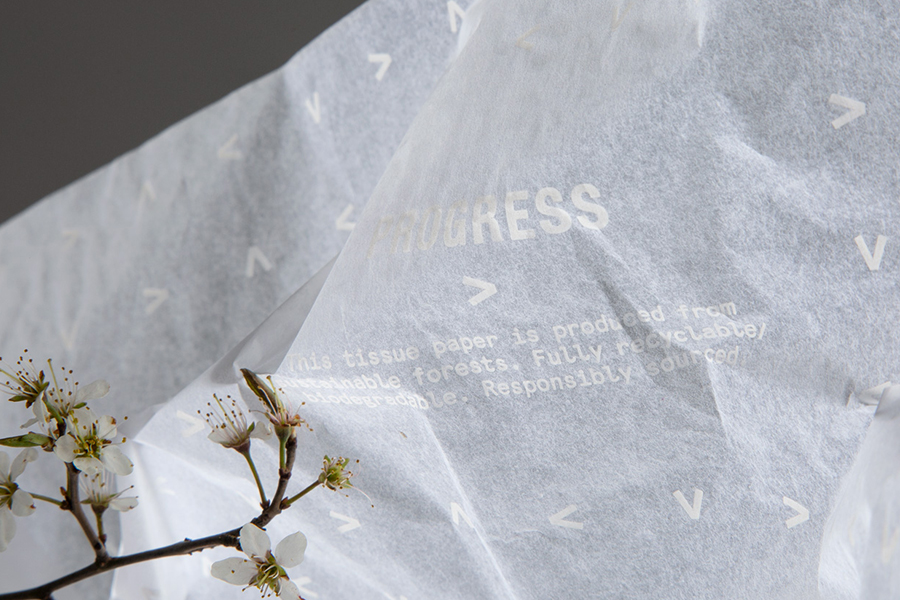
The physical manifestation of a brand is its most intimate touchpoint. Through premium packaging design, art direction influences the tactile prestige that digital screens cannot replicate. The psychology of tactility is powerful; the weight of a box or the texture of a label communicates quality faster than any marketing copy. We integrate this craftsmanship with rigorous production management to ensure that the vision translates perfectly from the screen to the hand. It’s about making the abstract tangible through expert-led innovation.
Digital Alchemy and Motion
In 2026, a brand’s digital presence must be as evocative as a guided tour through a gallery. Transitioning from static imagery to 3D visualization & motion design allows a brand to breathe and evolve in real-time. Motion isn’t just an effect; it’s a way to guide the viewer’s eye and create an emotional rhythm. Using software like DaVinci Resolve 20, we create immersive experiences that feel alive and intentional. If you’re looking to redefine your brand’s sensory impact, consider how our creative art direction can give shape to your most ambitious ideas.
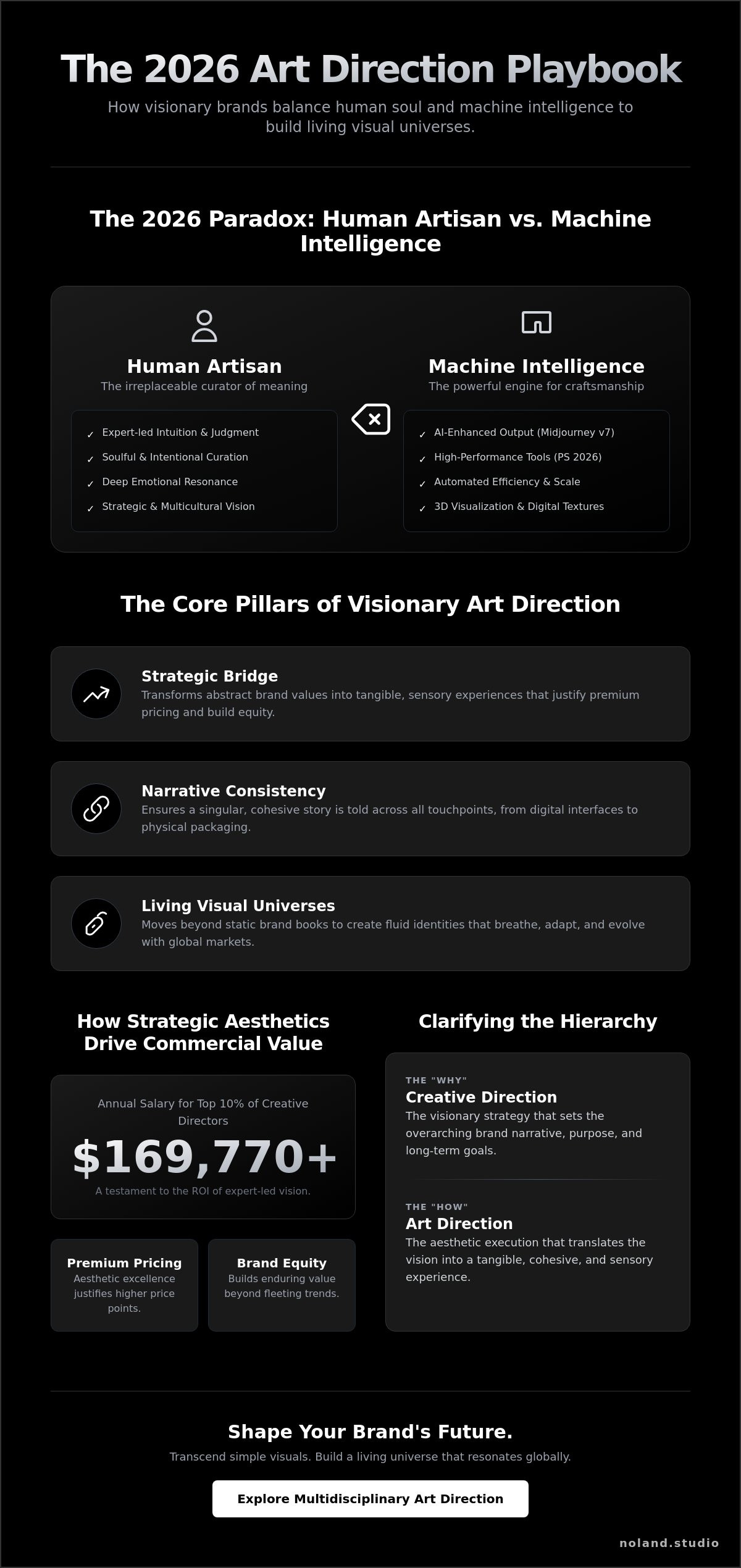
The 2026 Paradox: Human Artisan vs. Machine Intelligence
In 2026, the creative landscape is defined by a singular paradox. While generative algorithms can produce infinite variations of a visual concept in seconds, the value of human-led creative art direction has never been higher. We don’t view AI as a replacement for the artist. Instead, it’s the most sophisticated brush ever created for the expert digital artisan. The true differentiator in this era isn’t the ability to generate imagery, but the intelligence and judgment required to select, refine, and imbue that imagery with a brand’s specific soul. Modern art direction is the alchemy of intelligence and artistic judgment, where the human eye remains the final arbiter of excellence.
Machines lack the sensitive, local touch that a global, multicultural expert provides. While an algorithm can analyze trends, it cannot feel the emotional resonance of a specific material or the historical weight of a typeface. This is where the human hand becomes essential. We use our judgment to navigate away from the “uncanny valley,” that sterile and overly perfect aesthetic that often plagues automated content. By maintaining this focus on exclusivity, we ensure that a brand’s living visual universe remains authentic and deeply felt. The U.S. Bureau of Labor Statistics Occupational Outlook Handbook reinforces that the core of this profession remains grounded in high-level coordination and creative leadership, skills that machines cannot replicate.
The Human Element: Taste, Soul, and Emotion
The 2026 market is saturated with synthetic visuals. This makes human taste the ultimate luxury. Our experts act as curators of emotion, ensuring that every visual element aligns with a brand’s foundations. We refine AI-generated concepts into living visual universes that speak the language of now while maintaining a sense of timelessness. This disciplined approach prevents the brand from feeling dated or uninspired. It’s about giving shape to ideas that resonate on a sensory level, a task that requires a deep understanding of human storytelling and aesthetic excellence. Discover how a strategic approach to Art Direction & Content Creation can transform your brand’s visual presence into a high-performance content ecosystem that evokes genuine emotional resonance.
AI as a Catalyst for Innovation
AI serves as a powerful engine for the rapid shaping of ideas. In the context of brand strategy & positioning, these tools allow us to prototype complex visual systems at an unprecedented pace. We can test how a concept breathes, adapts, and evolves across different cultures before a single pixel is finalized. This speed doesn’t dilute craftsmanship; it liberates it. AI allows artisans to focus entirely on high-level vision and sensory impact rather than repetitive technical tasks. In early 2026, we saw how this integration can reduce conceptualization timelines by 40 percent without sacrificing the artistic weight of the final product. This is the future of creative art direction: a disciplined fusion of technological savvy and expert-led intuition.
Strategic Aesthetics: How Art Direction Drives Commercial Value
Aesthetics are the silent ambassadors of value. In the premium sector, the return on investment is measured by the depth of emotional resonance and the justification of price points that mass-market logic cannot explain. This is where creative art direction serves as a strategic engine rather than a mere cost center. By May 2026, the market has confirmed this value; comprehensive branding projects frequently command fees between $6,000 and $15,000 because they build enduring brand equity. High-level visual systems reduce friction in the consumer journey by providing an intuitive, elevated experience that guides the viewer from curiosity to conviction.
Scaling a brand across borders requires a visual language that is both universal and deeply specific. Art direction facilitates this global resonance by organizing complex visual systems into living universes that don’t expire with the next season. It’s about creating a foundation that allows a brand to unfold in new markets while maintaining its core identity. This strategic clarity ensures that every visual touchpoint, whether digital or physical, reinforces the brand’s position as a leader in its space. When aesthetics are handled with intentionality, they become a tangible asset that drives long-term commercial success.
The Language of Now and Forever
Luxury heritage is built on the careful balance between fleeting trends and timeless longevity. We create soulful brands that resonate emotionally with high-net-worth individuals who seek depth over decoration. This resonance is supported by a robust naming & verbal identity, which serves as the invisible architecture for the visual world. By speaking the language of now while honoring the foundations of the past, art direction ensures a brand remains relevant without losing its soul. It’s a disciplined approach to storytelling that turns a product into a legacy.
From Abstract Ideas to Tangible Realities
The process of giving shape to a vision requires a blend of alchemy and intelligence. We move brands from abstract ideas to tangible realities through a multidisciplinary approach that includes 3D visualization and digital design. This transformation is critical for traditional luxury brands looking to thrive in a digital-first economy. By integrating expert-led innovation with a sensitive touch, we ensure that the digital experience feels as exclusive as a physical gallery. If you’re ready to elevate your visual strategy, consider shaping your brand’s commercial future with our dedicated art direction team.
Noland Studio: The New Frontier of Multidisciplinary Art Direction
Noland Studio represents the evolution of the creative collective. We’ve moved beyond the rigid, centralized models of the past to embrace a distributed network of expert digital artisans. This structure allows us to offer a level of creative art direction that is both globally connected and locally sensitive. Our philosophy is rooted in the recurring motif of giving shape to ideas. We don’t just design; we curate multidimensional brand experiences that breathe, adapt, and evolve. By combining high-level artistic craftsmanship with fixed-fee transparency, we provide the strategic clarity that premium brands require to thrive in 2026.
We understand that the luxury market demands exclusivity and intentionality. Our process is a form of alchemy where your vision meets our disciplined execution. This isn’t about mass-produced automation. It’s about expert-led innovation that respects the soul of your brand. Whether we’re developing visual identity systems or 3D visualizations, our focus remains on longevity and emotional resonance. Our commitment to transparency means that as of May 2026, we align with industry standards where comprehensive branding projects are valued between $6,000 and $15,000, ensuring you receive high-end craftsmanship without the ambiguity of traditional agency billing.
A Global Collective of Artisans
The advantage of our distributed model is the breadth of multicultural expertise we bring to every project. We combine high-level visionary art direction with a sensitive touch that understands the nuances of different global markets. This collective intelligence ensures that your brand speaks the language of now while maintaining its heritage. Despite our sophisticated focus, we maintain a sense of approachability through our “Aloha” spirit. It’s a warm, human contrast to the often cold world of high-end design, suggesting a brand that is globally connected yet deeply personal. This personality allows us to act as a thoughtful mentor and a sophisticated creator for our clients.
Partnering for Transformation
Collaborating with our multidisciplinary design collective is a journey of transformation. We move from the philosophical “why” to the strategic “how,” building the foundations of your brand identity before allowing it to unfold into a living visual universe. We organize, categorize, and clarify your brand’s message until it becomes a tangible reality that your audience can feel. This intentional path ensures that every sensory impact is guided by expert hands, bridging the abstract world of ideas and the physical world of products. If you’re ready to transform your presence, it’s time to breathe life into your brand vision with Noland Studio.
Shaping the Soul of Tomorrow’s Heritage
A brand’s presence in 2026 is no longer a static image; it’s a living visual universe that breathes, adapts, and evolves across every touchpoint. We’ve explored how modern creative art direction serves as the vital bridge between abstract strategy and the tangible sensory experiences that define luxury. By prioritizing human judgment and expert-led innovation, you protect your brand’s soul from the sterile “uncanny valley” of unguided AI. This disciplined approach ensures that aesthetic excellence remains a measurable commercial driver that justifies premium positioning and builds enduring equity.
Transformation requires a partner who possesses both high-level vision and a sensitive, local touch. Noland Studio offers this through our distributed network of global digital artisans, providing the fixed-fee transparency that brings strategic clarity to your most ambitious projects. We invite you to move beyond the uninspired and enter a realm where ideas take shape through sophisticated alchemy. It’s time for your brand’s next chapter to unfold with intentionality and grace. Explore Visionary Art Direction at Noland Studio and begin the journey of giving shape to your brand’s future today.
Frequently Asked Questions
What is the difference between an art director and a graphic designer?
A graphic designer focuses on the technical execution of individual assets, while an art director oversees the holistic visual narrative and strategic mood of a brand. In 2026, the art director acts as a curator of the brand’s soul, ensuring that every element aligns with a higher vision. While designers handle the production of specific graphics, art directors provide the intelligence and judgment needed to organize and clarify a brand’s living visual universe.
How does creative art direction impact luxury brand strategy?
Creative art direction transforms abstract brand values into tangible sensory impact. It ensures that a brand’s core promise is felt through every pixel and material, justifying premium pricing through aesthetic excellence. By creating a cohesive visual system, art direction builds long-term brand equity and emotional resonance with high-net-worth individuals. It’s the alchemy that turns a business plan into a visionary identity that breathes, adapts, and evolves across global markets.
Can AI replace a creative art director in 2026?
No, AI serves as a sophisticated brush for the expert artisan rather than a replacement for human leadership. While tools like Midjourney v7 can generate assets rapidly, they lack the multicultural expertise and human judgment required to avoid the sterile “uncanny valley.” As of May 2026, the Golden Globes and other major institutions mandate human creative authorship for a reason. The art director’s role is to provide the soulful oversight that machines cannot replicate.
Why is art direction important for premium packaging design?
Art direction is critical for premium packaging because it bridges the gap between digital vision and physical manifestation. It influences material selection, weight, and texture to create a sense of tactile prestige that screens cannot match. In an era where unboxing is a primary brand touchpoint, the physical feel of a product is essential for building exclusivity. Art direction ensures that the packaging feels like a natural extension of the brand’s foundations.
What are the key trends in creative art direction for fashion brands?
Current trends emphasize “hyper functionality” and textured, mixed-media styles that are difficult for AI to replicate authentically. Fashion brands in 2026 are moving away from static lookbooks toward immersive 3D visualization and motion design that feels like a guided tour through a gallery. There is also a significant shift toward scalable visual systems that allow global teams to maintain consistency across digital and physical touchpoints while speaking the language of now. Understanding how to select the right multidisciplinary design collective for fashion brands has become a critical strategic decision for labels seeking to integrate these capabilities with intentionality and discipline.
How do you measure the success of art direction in a digital transformation project?
Success is measured through increased brand resonance, reduced friction in the consumer journey, and long-term commercial ROI. In a 2026 digital transformation project, we often look for a 20 to 30 percent improvement in engagement metrics once a cohesive visual system is implemented. Beyond data, success is found in the strategic clarity of the brand’s narrative and its ability to adapt to new technologies without losing its unique, soulful identity.
What does a multidisciplinary design collective offer that traditional agencies don’t?
A multidisciplinary design collective for fashion brands like Noland Studio offers a distributed network of global experts and fixed-fee transparency. Unlike traditional agencies with rigid hierarchies, we provide an agile and collaborative approach that integrates strategy, design, and 3D motion into a singular flow. This model allows for a sensitive, local touch combined with high-level visionary leadership, ensuring that brands receive specialized craftsmanship without the overhead costs of legacy agency structures.
How does motion design fit into modern art direction?
Motion design is the pulse of a modern brand’s living visual universe. It isn’t just an aesthetic effect; it’s a tool for storytelling that guides the viewer’s eye and creates an emotional rhythm. In 2026, motion design allows a brand to breathe and evolve across digital platforms, making the experience feel intentional rather than static. It’s a core component of art direction and content creation that ensures a unified narrative remains consistent in a world of moving pixels.